Professional Residential Electrical Contractor for Secure and Efficient Fixes
A seasoned residential electrician holds a fundamental role in ensuring the reliability and optimal operation of electrical systems in homes. These trained technicians are competent to undertake placements, restoration, and improvements, confirming adherence to safety standards and local codes. Prevalent issues, including flickering lights or faulty circuits, commonly need professional expertise. Recognizing the scope of their work highlights crucial questions about durability, trustworthiness, and extended lifespan of a home's electrical infrastructure. What should homeowners reflect on before hiring?
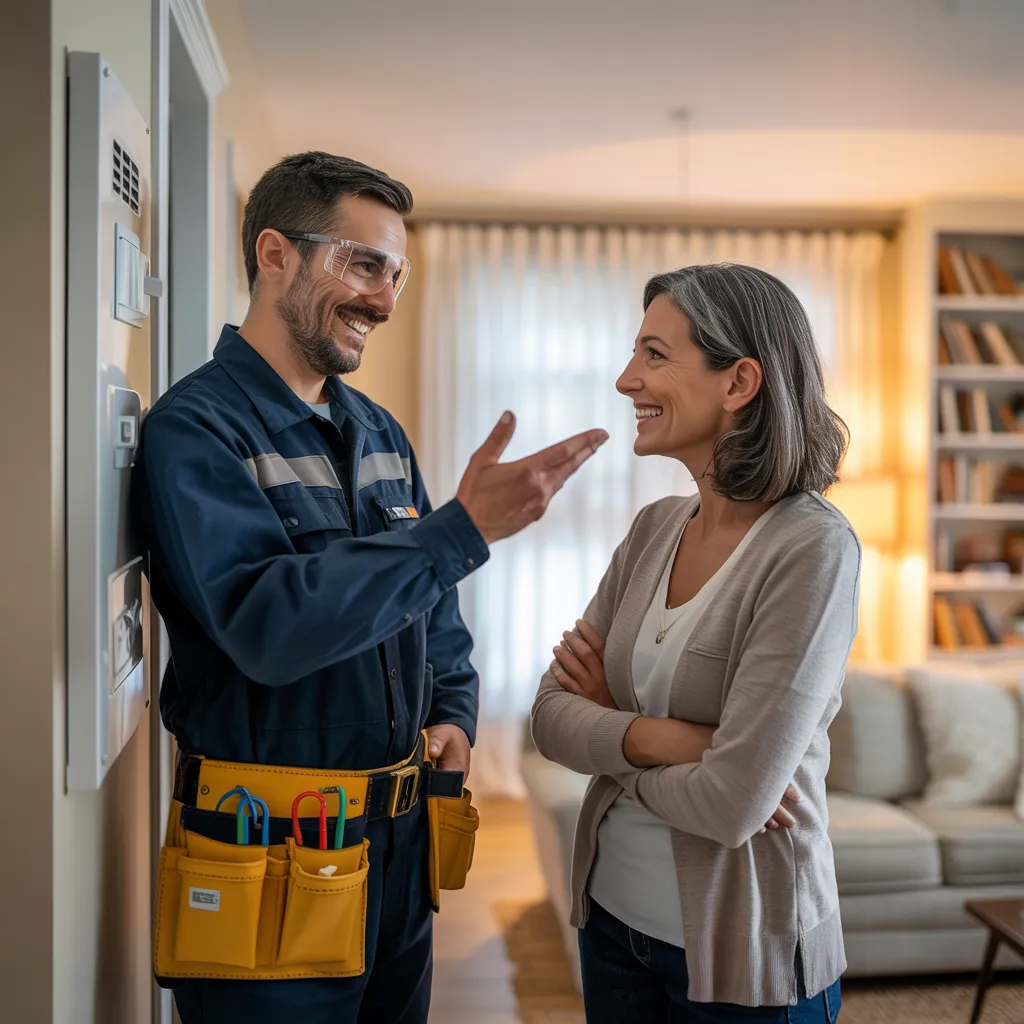
What Precisely Is the Role of a Household Electrician In Reality?
A residential electrician focuses on the setup, upkeep, and fixing of electrical systems within homes. Their main duties encompass wiring, circuit installation, and the setup of lighting fixtures. They also troubleshoot electrical issues, ensuring that systems function efficiently and safely.
Besides these tasks, residential electricians execute routine inspections to pinpoint potential hazards and ensure observance with relevant codes. They commonly upgrade existing systems to support new appliances or technology, thereby boosting a home's functionality.
Moreover, they deliver worthwhile professional advice, helping homeowners discover power-saving options and modern electrical approaches. A residential electrician equally coordinates with other contractors during renovations or new constructions, securing that electrical work coordinates effectively with other aspects of the project. By implementing technical equipment and observing industry standards, they maintain an essential role in ensuring a safe and reliable electrical environment in residential settings.
Safety Requirements in Electrical Services: Key Information for Homeowners
What methods can homeowners use to guarantee their electrical systems stay safe and compliant? Grasping safety guidelines is important. Electrical codes, including the National Electrical Code (NEC), provide a standard for secure installations and methods. Property owners must confirm their installations adhere to these standards to reduce risks of fire incidents and electrical shock.
Regular evaluations by a certified electrician can help identify potential dangers. Electricians are trained to comply with local regulations and introduce safety practices. Homeowners should also be mindful of proper power limits to avert overload, which can result in overheating.
Additionally, using approved supplies and components is vital for ensuring protection. Homeowners must emphasize the installation of GFCI outlets in wet areas and confirm smoke detectors are working. By keeping informed and proactive about electrical safety standards, homeowners can notably decrease risks and provide a safe living environment.
Common Electrical Issues and How Professionals Solve Them
Homeowners frequently face multiple wiring problems that can threaten safe operation and performance. Common problems include flickering lights, breakers that trip, and outlets that fail to work. These problems can result from outdated wiring, circuits carrying too much load, or defective devices.
Power surges are another common concern that can harm devices and appliances. GFCIs (Ground fault circuit interrupters) may also malfunction, creating hazards in moist spaces like kitchens and bathrooms.
Technicians determine these problems by performing extensive inspections, examining wiring quality, and analyzing the load on circuits. They apply specialized equipment to identify concealed defects and guarantee compliance with safety standards.
How to Address Common Power Problems With Expert Guidance
Addressing typical electrical problems often requires the expertise of a professional electrician. Lights that flicker, frequent circuit breaker tripping, and outlet malfunctions are common problems that can indicate underlying electrical faults. Engaging a certified electrician guarantees these issues are diagnosed accurately and resolved safely.
Flickering Lights Solutions with immediate fixes
Flickering lights can disturb the tranquility of any home, signaling potential electrical issues that need immediate attention. This regular problem often indicates loose connections, faulty switches, or inadequate wattage. Homeowners should first check if the flickering happens with selected bulbs or throughout the entire house. If it is isolated, replacing the bulb may solve the issue. However, persistent flickering warrants consultation with a professional residential electrician, who can accurately diagnose and address underlying problems. A qualified electrician will inspect wiring, assess circuit loads, and guarantee all connections are secure. Addressing flickering lights promptly not only restores peace but also enhances safety, preventing serious hazards like electrical fires. Professional intervention provides peace of mind and long-term solutions.
Circuit Breaker Tripping Factors
Persistent circuit breaker activation can suggest hidden electrical problems that may present safety risks. Typical reasons include overloaded circuits, where too many devices draw power from a single source, causing overheating and tripping. Additionally, short circuits can occur when wires become damaged or frayed, creating a direct path for electricity that skips normal resistance. Grounding faults, which happen when a live wire touches a grounded surface, are also concerning. Finally, aging circuit breakers may fail to function properly due to deterioration. Identifying these problems is critical; engaging a professional residential electrician to diagnose and resolve these problems ensures safety and efficiency in the home's electrical system.
Outlet Defect Repair
Comprehending the potential complications linked to circuit breakers obviously underscores the importance of troubleshooting outlet malfunctions. Outlet malfunctions can show as flickering lights, non-operational devices, or strange noises coming from the outlet itself. These symptoms usually indicate underlying electrical problems that demand professional evaluation. A qualified electrician will begin by checking the circuit for overloads, loose connections, or damaged wiring. They may also assess proper grounding and voltage levels to confirm safety. Timely addressing of these malfunctions is critical, as neglect can escalate to more severe hazards, including electrical fires. By trusting a professional, homeowners can be confident that their electrical systems work efficiently and safely, protecting both their property and peace of mind.
Why Work with an Expert for Electrical Upgrades?
Upgrading electrical systems can greatly enhance a home's security and performance, making professional help essential. Homeowners often underestimate the complexities involved in electrical upgrades, which can lead to costly mistakes or hazardous situations. Professional electricians possess the necessary training and experience to comply with local codes and regulations, ensuring that upgrades are compliant and safe.
Additionally, professionals can assess a home's specific electrical needs, suggesting tailored solutions that optimize performance and energy efficiency. They are equipped with the proper equipment and expertise to handle potential challenges, such as aging electrical lines or insufficient load capacity. This expertise not only reduces hazards but also strengthens the durability and dependability of the power infrastructure.
In the end, engaging a skilled electrical professional for upgrades not only protects a home but also offers confidence, understanding that the work is correctly and efficiently completed, thereby maximizing the investment in the property.
Preparing for Your Electrical Evaluation?
During an power system evaluation, homeowners can expect a thorough evaluation founded upon a common checklist that emphasizes essential elements of their system. Examiners will evaluate compliance with safety standards to ensure the electrical setup is efficient and safe. Knowing what to expect assists property owners get ready for a successful inspection process.
Regular Inspection Checklist Items
A thorough electrical review typically involves various essential inspection elements that confirm safety and adherence with regulations. Professionals regularly begin by examining the service panel for proper ground connections and secure connections. They inspect wiring for any marks of age, injury, or improper arrangement. Circuit breakers and safety fuses are examined to verify they are functioning correctly and sufficiently rated for the load. In addition, outlets and electrical switches are inspected to assure they are earthed properly and without any defects. Fire detection devices and carbon monoxide detectors are likewise checked for proper operation. Finally, the inspector surveys any adjustments or additions to the power system to ascertain they adhere to area codes and benchmarks, ensuring the general safety of the the building's electrical infrastructure.
Safety Standards Adherence Overview
Following a thorough inspection process, understanding compliance with electrical safety is vital for homeowners. Adherence to electrical safety standards guarantees that electrical installations comply with both national and local requirements, reducing risks associated with electrical hazards. Property owners can anticipate the electrician to verify proper grounding, circuit quality, and the use of approved materials. Moreover, compliance with the National Electrical Code (NEC) is critical, as it establishes the minimum safety requirements for electrical installations. Throughout inspections, electrical experts will evaluate the operation of smoke detectors and carbon monoxide alarms, ensuring they work properly. By focusing on safety guidelines, property owners not only preserve their property but furthermore protect the welfare of their household members. In conclusion, adherence establishes trust in electrical services and fosters long-term safety.
Tips to Decide on the Appropriate Electrician for Your Home
Picking the appropriate electrician for a dwelling can prove challenging—what aspects should one take into account? First, confirming qualifications is fundamental. A licensed electrician verifies that they have completed the required training and specifications. Homeowners should also assess insurance coverage, as this protects against possible complications during the assignment.
Experience serves as another crucial requirement; professionals with a solid track record are often more effective at dealing with various issues. Examining assessments and receiving suggestions can give information into their reliability and quality of work.
Moreover, collecting multiple quotes supports homeowners compare pricing and services, verifying they obtain a fair deal. Verbal skills are comparably important; an electrician ought to present issues and solutions lucidly.
Finally, determining their familiarity with local regulations and requirements can prevent future complications. By thoughtfully weighing these factors, homeowners can reach a informed decision, in the end ensuring security and efficiency in their electrical work.
Frequently Asked Questions
What Is the Cost to Engage a Residential Electrician?
Hiring a home electrician usually comes to somewhere in the range of $50 to $100 per hour, contingent on your area and how complex the job is. Extra charges may be imposed for materials and urgent calls, changing your final cost.
How Much Time Will an electrical job Usually demand?
An electrical work generally takes a few hours to several days, based on its complexity and scope. Simple repairs may require minimal time, while larger installations or renovations can prolong the duration significantly.
What Certifications Should I Search for in an Electrical Professional?
When choosing an electrician, one should give priority to competencies such as correct permits, safeguards, connected work history, and outstanding customer feedback. Additionally, certifications in targeted sectors can cement their authority and guarantee quality workmanship.
Do Emergency Electric Services Exist?
Emergency electrical assistance are indeed accessible. Many electrical professionals provide 24/7 support for urgent issues, guaranteeing quick response times and fixes examine guide to return safety and operation. Property owners should verify accessibility and response times before crises arise.
Can I Complete Electrical Work Myself Legally?
In many jurisdictions, individuals have the right to legally conduct electrical work on their own properties, but regulations differ. It's vital to examine local codes and safety standards to confirm compliance and steer clear of potential hazards or fines.